


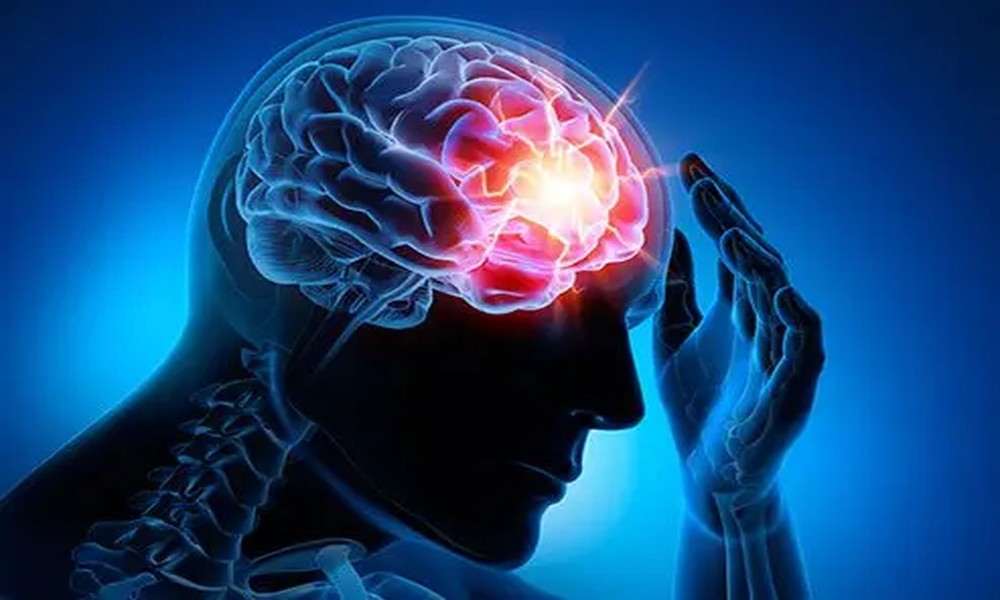
It can happen in an instant.
A driver is struck at an intersection. A teenager collides with another player on the football field. An older adult slips on a wet floor. A worker falls from a ladder.
The bruises may heal, the stitches may come out, and the cast may eventually be removed. But when the brain is injured, recovery is rarely so straightforward.
Traumatic brain injury (TBI) is often called the “invisible injury” because many of its effects cannot be seen. Someone may look physically fine while struggling with headaches, memory problems, mood changes, and overwhelming fatigue. Families are frequently caught off guard by the long and uncertain path to recovery.
For those seeking specialized care, resources such as traumatic brain injury Dallas TX, rehabilitation programs can provide structured support for both patients and their families.
A traumatic brain injury can alter the course of a life. Yet with timely diagnosis, expert treatment, and consistent rehabilitation, many people regain function and rebuild meaningful, productive lives.
What Is a Traumatic Brain Injury?
A traumatic brain injury occurs when a bump, blow, or jolt to the head-or a penetrating injury-disrupts normal brain function. TBIs range from mild concussions to severe injuries that cause long-term disability.
The word “mild” can be misleading. A mild TBI, commonly called a concussion, may still produce symptoms that interfere with work, school, sleep, and relationships.
Moderate and severe TBIs can lead to prolonged unconsciousness, significant cognitive impairment, and the need for extensive rehabilitation.
Common Causes of TBI
Traumatic brain injuries affect people of all ages, but the causes tend to be familiar:
- Falls
- Motor vehicle crashes
- Bicycle and motorcycle accidents
- Sports injuries
- Workplace incidents
- Assaults
- Military blast exposures
Falls are among the leading causes of TBI-related hospitalizations, especially among older adults and young children. Vehicle collisions remain another major source of serious brain injuries.
Symptoms May Not Appear Right Away
One of the most challenging aspects of TBI is that symptoms do not always show up immediately.
A person may feel “just shaken up” after an accident, only to notice symptoms hours or days later.
Common symptoms include:
Physical Symptoms
- Headaches
- Dizziness
- Nausea
- Sensitivity to light or noise
- Balance problems
- Fatigue
- Blurred vision
Cognitive Symptoms
- Memory difficulties
- Poor concentration
- Slowed thinking
- Confusion
- Trouble finding words
Emotional Symptoms
- Irritability
- Anxiety
- Depression
- Mood swings
- Increased emotional sensitivity
Sleep Disturbances
- Sleeping too much
- Sleeping too little
- Trouble falling asleep
The CDC notes that symptoms may affect how people think, feel, act, and sleep, and they can evolve during recovery.
Why Brain Injuries Are So Complex
No two brain injuries are exactly alike.
The brain controls everything from movement and speech to personality and judgment. The effects of an injury depend on:
- Which part of the brain is affected
- The force of impact
- How quickly treatment begins
- The person’s age and overall health
- Access to rehabilitation
This variability explains why one person may return to work within weeks, while another may need years of therapy.
The Emotional Shock for Families
Family members often say that brain injury recovery is as emotionally difficult as it is medically complex.
A spouse may notice personality changes. Parents may see a child become withdrawn or impulsive. Patients themselves may feel frustrated because they know something is wrong but cannot explain it.
This mismatch between outward appearance and internal struggle can lead to misunderstandings.
Many survivors hear well-meaning but hurtful comments such as:
- “You look fine.”
- “Maybe you’re just stressed.”
- “Shouldn’t you be over this by now?”
These remarks overlook the reality that healing the brain takes time.
Diagnosis: More Than a CT Scan
Emergency physicians often use neurological exams and imaging such as CT scans or MRIs to identify bleeding, swelling, or fractures.
But many concussions do not appear on standard imaging.
That does not mean the injury is insignificant.
Diagnosis relies heavily on symptom history, cognitive testing, and clinical evaluation.
Anyone who experiences persistent symptoms after a head injury should be evaluated by a qualified healthcare professional.
The Critical Role of Rehabilitation
Rehabilitation is where much of the real recovery occurs.
Depending on symptoms, a patient may work with:
- Physical therapists
- Occupational therapists
- Speech-language pathologists
- Neuropsychologists
- Rehabilitation physicians
- Counselors
The goal is not only to reduce symptoms but also to help the individual regain independence and confidence.
The CDC emphasizes that rehabilitation can improve daily functioning, social participation, and overall quality of life after moderate or severe TBI.
Neuroplasticity: The Brain’s Ability to Adapt
One of the most encouraging concepts in brain injury recovery is neuroplasticity.
This refers to the brain’s ability to reorganize and form new connections.
Through repetition, therapy, and practice, the brain can often compensate for damaged areas by strengthening other pathways.
Recovery is rarely linear. Progress may be slow, with periods of improvement followed by setbacks. Yet the brain can continue adapting for months and even years.
As many survivors note in support communities, there is no universal timeline. Outcomes vary dramatically from person to person.
Hidden Challenges After TBI
The most difficult symptoms are often invisible.
- Cognitive Fatigue: Tasks that once felt easy-reading emails, attending meetings, managing schedules-may become exhausting.
- Memory Problems: People may forget conversations, appointments, or where they placed everyday items.
- Emotional Regulation: Increased irritability, impulsivity, or anxiety can strain relationships.
- Sensory Overload: Busy environments with noise and bright lights may feel overwhelming.
These symptoms can make returning to work or school particularly challenging.
Returning to Work and Daily Life
One of the most common questions after TBI is, “When will I get back to normal?”
The honest answer is that recovery may involve creating a “new normal.”
Some individuals return to their previous roles. Others need accommodations such as reduced hours, frequent breaks, or assistive technology.
Success is often measured not by whether life looks exactly as it did before, but by whether the person can participate meaningfully in work, relationships, and community life.
Long-Term Effects
While many people recover substantially, some continue to experience long-term symptoms.
Potential ongoing issues include:
- Chronic headaches
- Sleep disorders
- Depression and anxiety
- Seizures
- Balance problems
- Persistent cognitive difficulties
Research increasingly suggests that moderate and severe TBIs should be treated as chronic conditions requiring ongoing management rather than one-time events.
Practical Advice for Families
Supporting a loved one with TBI requires patience and flexibility.
Helpful strategies include:
- Keeping routines predictable
- Using calendars and reminders
- Breaking tasks into smaller steps
- Reducing distractions
- Celebrating small improvements
- Encouraging rest without isolation
Family support can make a profound difference in emotional resilience and rehabilitation outcomes.
Prevention Matters
Not every brain injury can be avoided, but many can.
Prevention strategies include:
- Wearing seat belts
- Using helmets
- Installing fall-prevention measures at home
- Following workplace safety protocols
- Practicing sports concussion guidelines
Simple precautions can reduce the risk of life-changing injuries.
Hope After Brain Injury
Perhaps the most important message for survivors and families is this: recovery is possible.
It may not happen as quickly as hoped, and the path is often unpredictable. But meaningful progress can continue long after the initial injury.
People return to careers, raise families, pursue education, and rediscover purpose after traumatic brain injury.
The journey demands persistence, support, and expert care, but hope remains grounded in the remarkable capacity of the human brain to heal and adapt.
Final Thoughts
A traumatic brain injury can change how a person thinks, feels, and experiences the world. It can test families emotionally, financially, and psychologically.
Yet a diagnosis is not the end of the story.
With early treatment, comprehensive rehabilitation, and informed support, many survivors make substantial gains and rebuild lives that are rich with connection and possibility.
The brain is extraordinarily complex, but it is also remarkably resilient.
And sometimes, that resilience becomes the foundation for a recovery that once seemed impossible.
