


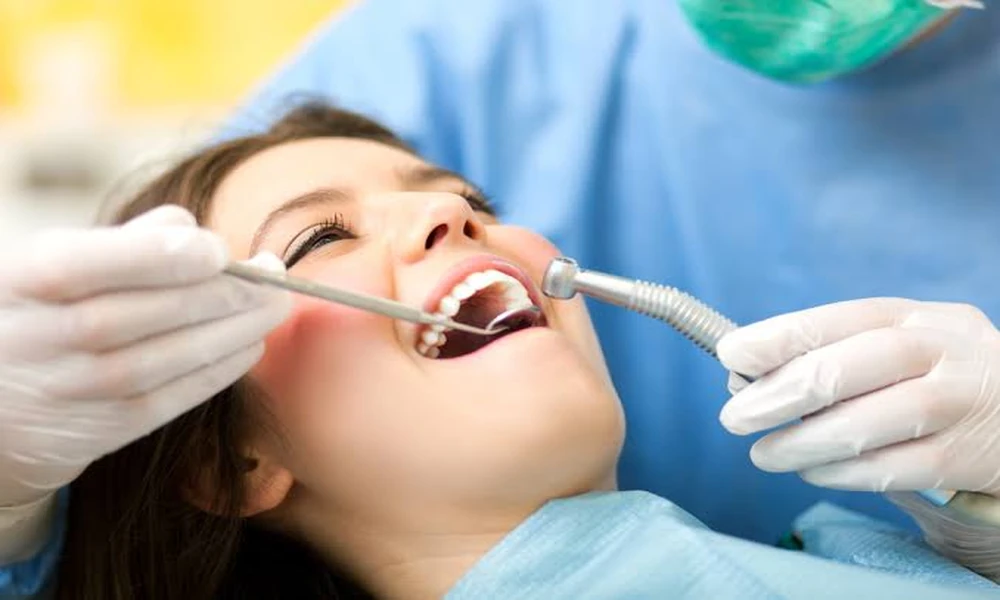
You may not want a dramatic new smile. Most people do not. They want to look a little more rested, a little more polished, and a little more like themselves on a good day. That is usually the real goal behind cosmetic dental work and dental care in Kingston. You notice the small things when you catch your reflection: a tooth that looks darker than the others, edges that seem worn down, a gap that pulls your eye every time you smile. None of it feels serious enough to justify a major change, but it still sits with you.
That is where the right cosmetic dentistry services can help. The best options are often the least obvious. They improve color, shape, and balance without making your teeth look too bright, too uniform, or unlike your face. Three treatments stand out for that kind of result: professional teeth whitening, dental bonding, and veneers chosen with restraint. Each one solves a different problem, and each one can be done in a way that still looks natural.
Subtle smile enhancement starts with the right problem
A lot of disappointment in cosmetic dentistry starts with picking a treatment based on trends instead of what your smile actually needs. If the main issue is staining, reshaping the teeth is more treatment than you need. If the issue is a chipped edge or uneven contour, whitening alone will not fix it. You can spend money, go through appointments, and still feel like something is off because the treatment did not match the problem.
You might already know this feeling. Maybe you have looked at whitening strips, wondered about bonding, then seen before and after veneer photos that looked too perfect to trust. That hesitation makes sense. Your teeth sit at the center of your face. A small change can look elegant or artificial depending on how it is planned.
A skilled general and cosmetic dentist usually looks at smile improvement in layers. Color comes first. Shape and symmetry come next. Then overall harmony matters, which means your teeth should fit your age, face, lips, and natural features. That is how natural-looking cosmetic dental treatments actually stay natural.
Professional teeth whitening brightens your smile without changing its character
When teeth are healthy and shaped, color is often the only thing standing in the way of a fresher smile. Coffee, tea, red wine, tobacco, and simple aging can all deepen stains over time. The change happens slowly, which is why many people do not notice it until photos start to look dull or uneven.
Professional whitening works because it lifts embedded stains more effectively than store-bought products, and it does so under supervision. The goal is not paper white teeth. The goal is a cleaner, brighter version of your natural shade. That difference matters. Done well, whitening makes people think you look well rested, not treated.
The American Dental Association explains key facts about whitening, including why an exam matters before treatment. You can also review the ADA’s patient guidance on teeth whitening if you are comparing options.
Whitening is often the simplest place to start because it preserves your existing tooth structure. If your smile already has good proportions, this may be all you need.
Dental bonding fixes small flaws with conservative cosmetic dentistry
Bonding is one of the most practical ways to improve a smile without committing to a bigger procedure. A tooth colored resin is shaped directly onto the tooth to repair chips, soften sharp corners, close tiny gaps, or even out minor differences in size. For the person who says, “I like my teeth, except for this one thing,” bonding is often the service that makes the most sense.
This is where subtle work really shines. A worn front tooth can make your whole smile look older. A small chip can catch the light in a way that draws more attention than you expect. Fixing that one detail can change the whole impression of your smile without changing its personality.
Bonding is not as stain-resistant or as long-lasting as porcelain, but it is conservative and cost-conscious. That matters if you want improvement without extensive treatment. It is one of the most useful tools in cosmetic dentistry because it addresses real-life issues people actually have, not just idealized smile makeovers.
Veneers can look natural when they are used with restraint
Veneers have a reputation for creating dramatic results, but they can also be one of the best options for subtle refinement. Thin porcelain shells are placed on the front of the teeth to improve color, shape, spacing, and proportion. The problem is not veneers themselves. The problem is overuse, overdesign, and shades that are too bright for the person wearing them.
When veneers are limited to the teeth that truly need them, and when their shape and color are chosen carefully, they can look remarkably lifelike. They are often a good fit for teeth with deep discoloration that will not respond well to whitening, visible wear, or shape issues that bonding cannot correct predictably over time.
The American Dental Association’s overview of veneers gives a clear explanation of how they work and when they may be considered.
Subtle smile improvements depend less on the name of the procedure and more on whether the treatment plan respects your natural features. That is why the best cosmetic work rarely announces itself.
Comparing cosmetic dental services for natural smile improvements
| Service | Best For | How Natural It Can Look | Longevity | Cost Range |
|---|---|---|---|---|
| Professional Teeth Whitening | Surface and age related staining | Very natural when shade is kept realistic | Months to a few years, depending on habits | Lower |
| Dental Bonding | Small chips, gaps, uneven edges, minor reshaping | Natural in skilled hands, especially for small corrections | Several years, with touch-ups sometimes needed | Low to moderate |
| Veneers | Stubborn discoloration, wear, shape issues, moderate spacing concerns | Very natural when conservatively planned | Often many years with good care | Higher |
Cost matters, but so does the cost of choosing the wrong treatment first. Someone with one chipped front tooth may waste money whitening a smile that still looks uneven. Someone with deep internal staining may keep buying whitening products that never deliver the change they want. The right plan is usually more efficient than the cheapest first step.
Smart next steps make cosmetic dentistry feel less overwhelming
Start with the one thing that bothers you most. Do not try to diagnose your whole smile at once. If the issue is color, say that. If it is one short tooth or one dark tooth, say that. Clear priorities lead to cleaner treatment plans.
Ask for the most conservative option first. You do not need the biggest procedure to get a meaningful result. Ask whether whitening, bonding, or minor contouring could solve the problem before you consider anything more involved.
Ask to see what “natural” means in real cases. Before and after photos help, but look for cases that still resemble real teeth. Slight variation in shape, texture, and brightness usually looks better than a smile that appears overly uniform.
A better smile does not have to look obvious
If you have been putting this off because you do not want your smile to look fake, your concern is valid. Good cosmetic dentistry should not erase what makes your smile yours. It should soften the distractions, restore balance, and help you feel more at ease when you speak, laugh, and show up in photos. The right treatment is often smaller than people expect, and the result is usually better for it.
If you are considering cosmetic dentistry, speak with a general and cosmetic dentist about the most conservative way to reach your goal.
