


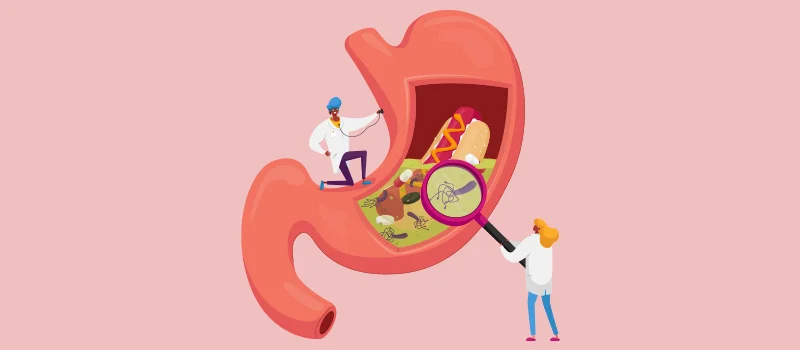
Most people blame too much acid for their stomach woes.
But what if the problem is that there’s too little?
Low stomach acid and Its uncommonness, but it can silently affect digestion, compromise nutrient absorption, and impact overall health. This condition is called Hypochlorhydria, and it really should receive more attention than it does.
The Role of Stomach Acid
That stomach acid isn’t only for breaking down food. It plays several critical roles:
- Activates digestive enzymes
- Breaks down protein efficiently
- Helps the body absorb iron, calcium and B12
- Protects against harmful bacteria
With Hypochlorhydria, these processes weaken. Food is not digested properly. Nutrients are not absorbed well. These could be areas where bacteria should not grow.
The body reflects the toll in subtle but steady ways.
Signs Low Acid Might Not Be for You
Symptoms often build gradually. They may seem minor at first.
Here are some common complaints associated with Hypochlorhydria:
- Bloating after eating
- Gas and burping
- Feeling full after small meals
- Persistent acid reflux that does not improve with treatment
- Brittle hair or nails
- Chronic fatigue
Since these symptoms overlap with other digestive problems, many people end up being mis-treated for high acid instead.
Which can exacerbate the condition.
Who is Most at Risk?
Some factors that increase the risk of Hypochlorhydria.
These include:
- Proton-pump inhibitors taken on a long-term basis
- Age (the levels of acid drop as we get older)
- Chronic stress
- Autoimmune disorders
- H. pylori infection
In many older adults, low acid is more common than too much acid.
Understanding this change is important to an accurate diagnosis.
Ripple Effect on Nutrient Absorption
Nutritional deficiency is the biggest risk of Hypochlorhydria.
Low stomach acid can lead to:
- Iron deficiency anemia
- Vitamin B12 deficiency
- Magnesium imbalance
- Weak bone density
These effects develop gradually. Long after digestive problems start, fatigue, weakness, or tingling sensations may develop.
That is one reason early investigation matters.
How It is Diagnosed?
Doctors analyze medical history and symptoms, as well as lab results. Blood tests may show anemia or low vitamin levels.
Sometimes, specialized testing directly measures stomach acid production.
Since symptoms can often be confused with those of reflux, it is important that Hypochlorhydria is correctly identified before treatment is prescribed.
Treatment Options
The management depends on the cause responsible.
Doctors may recommend:
- Adjusting or reducing acid-blocking medications
- Treating underlying infections
- Supporting digestion with medical guidance
- Notable studies on improving diet quality and eating frequencies
Eating smaller, balanced meals throughout the day and reducing stress can also work wonders in alleviating Hypochlorhydria related symptoms.
Any treatment should always be done under the supervision of a healthcare provider.
When to Take Symptoms Seriously?
Chronic bloating, fatigue that feels unearned and nutrient deficiencies are no-noes. If digestive upsets are not resolving with the standard reflux treatment, it may be time to consider other causes.
If left untreated, Hypochlorhydria can cause long-term (and) nutritional and digestive disorders.
Final Thoughts
Stomach acid gets a bad rap, but it’s crucial for good health.
The effects of levels dropping too low may not be dramatic at first. But in the long run, they can affect digestion, energy, and immune function.
Hypochlorhydria is a common condition that is largely overlooked. Getting a proper evaluation (especially with the help of specialists) can prevent larger health issues later if symptoms remain or worsen.
