


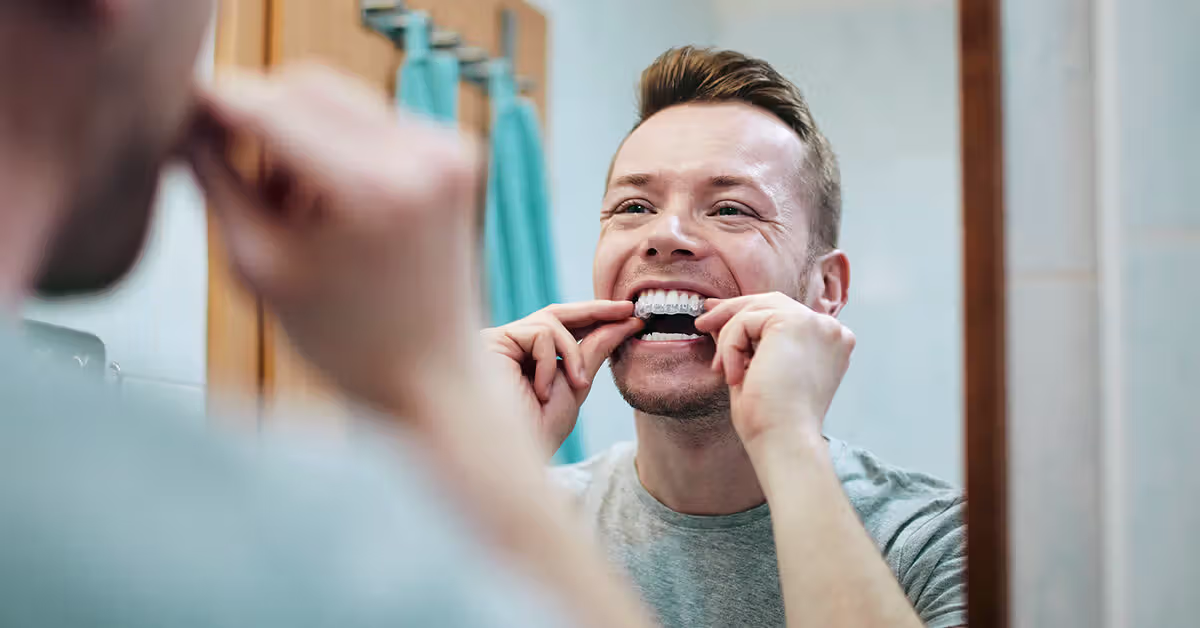
A remarkable 80% of Britons express a desire for a brighter, more confident smile. This widespread interest has led to an explosion of dental cosmetic choices available across the United Kingdom. From natural home remedies to advanced clinical procedures, people now have numerous routes to achieve their aesthetic goals.
Beyond mere appearance, research reveals significant real-world benefits. Individuals who enhance their smile often experience a boost in self-assurance. This confidence translates into tangible advantages, such as improved performance in job interviews and more positive social engagements.
This comprehensive guide navigates the extensive landscape of cosmetic dental treatments. It examines evidence-based approaches while considering safety, efficacy, and long-term maintenance. Understanding the science helps consumers distinguish between proven techniques and marketing claims.
Key Takeaways
- Over 80% of people in the UK desire a whiter smile, driving a diverse market of cosmetic solutions.
- A brighter appearance can boost confidence, potentially enhancing professional and personal outcomes.
- The industry offers a wide spectrum of choices, from natural remedies to professional clinical treatments.
- Evidence-based approaches provide safer and more reliable results compared to unverified trends.
- Understanding the science behind different procedures helps in making informed, effective decisions.
- Safety, legal compliance, and long-term maintenance are crucial considerations for any treatment.
- Consulting qualified dental practitioners ensures personalised advice and optimal results.
Introduction: The Rising Trend of a Brighter Smile in the UK
British consumers are increasingly prioritising oral aesthetics, driving substantial expansion in the cosmetic dentistry sector. This growth reflects a cultural shift where smile enhancement has moved from exclusive luxury to accessible mainstream choice.
Market Trends and Consumer Expectations
The UK market for dental cosmetic procedures has experienced remarkable growth. People from various backgrounds now seek effective solutions for their smile goals.
Modern consumers demand more than just visible results. They expect safe, convenient treatments that fit their lifestyle and budget. This evolution in expectations has shaped the industry’s development.
The psychological benefits extend beyond mere appearance. Many report improved confidence and social interactions after completing their chosen procedure.
The Role of Scientific Evidence in Whitening Claims
Scientific validation plays a crucial role in this expanding market. It helps distinguish proven treatments from marketing hype.
UK regulations ensure products meet specific safety standards. Research determines safe concentrations of active ingredients and proper application methods.
Understanding the science behind different options empowers informed decisions. Consumers can evaluate expected outcomes, potential side effects, and treatment duration with greater clarity.
Understanding Teeth Discolouration and Its Causes
Dental discolouration falls into two distinct categories, each requiring different approaches for effective treatment. Identifying the specific type of staining present helps determine which cosmetic procedures will deliver optimal results.
Extrinsic versus Intrinsic Stains
Extrinsic discolouration affects the outer enamel layer. These surface stains develop from external factors like coffee, tea, and tobacco use. Poor oral hygiene can worsen these issues by allowing plaque to trap pigments.
Intrinsic stains originate within the tooth structure itself. The dentin layer beneath the enamel darkens due to aging, medication, or trauma. This type of discolouration presents different challenges for treatment.
| Characteristic | Extrinsic Stains | Intrinsic Stains |
|---|---|---|
| Location | Surface of enamel | Internal tooth structure |
| Primary Causes | Diet, tobacco, poor hygiene | Aging, medication, trauma |
| Treatment Response | Typically responds well | Often requires extended care |
| Appearance | Surface discolouration | Deep, internal yellowing |
Many people experience a combination of both stain types. A professional assessment ensures the correct approach is selected for individual needs.
Teeth Whitening Methods and Considerations
From simple at-home applications to advanced clinical procedures, the choices for achieving a brighter smile have never been more varied. Consumers can select from whitening toothpastes, over-the-counter gels, professional trays, and dental clinic treatments. Each approach offers distinct advantages for different situations and preferences.
The ideal candidate for these cosmetic improvements typically has healthy, unrestored teeth and gums. People with yellow-toned enamel often see the most dramatic results. However, no single solution works universally since every mouth has unique characteristics and lifestyle factors.
Over-the-counter products provide convenient, affordable access to basic whitening. These options contain lower concentrations of active ingredients, yielding gradual improvements. Professional treatments utilise stronger formulations under careful supervision for more significant transformations.
Safety remains paramount across all whitening options. Proper usage protocols help minimise potential sensitivity and protect dental health. Consulting qualified practitioners ensures personalised advice for optimal, lasting results.
Natural Remedies Backed by Science
Several household ingredients have demonstrated measurable effectiveness in clinical studies focused on oral appearance enhancement. These evidence-based approaches provide consumers with scientifically validated alternatives to conventional treatments.
Baking Soda, Oil Pulling and Hydrogen Peroxide Explained
Baking soda offers dual benefits for dental care. Its mild abrasive properties help remove surface stains effectively. The alkaline environment it creates also inhibits bacterial growth.
Research confirms toothpastes containing baking soda outperform regular formulations. A British Dental Journal review validated their safety and efficacy for stain removal.
Hydrogen peroxide acts as a natural bleaching agent. It penetrates enamel to break down discolouration molecules. Studies show it reduces staining from coffee and similar substances.
Oil pulling involves swishing coconut or sesame oil for 15-20 minutes. This ancient practice reduces oral bacteria and plaque accumulation. Research indicates it matches chlorhexidine mouthwash’s effectiveness.
Assessing the Evidence Behind Natural Treatments
Critical evaluation separates proven remedies from unsubstantiated claims. Scientific validation requires robust methodology and adequate sample sizes.
Long-term safety data remains essential for proper assessment. Consumers should prioritise treatments with peer-reviewed research supporting their use.
Moderation proves crucial even with natural approaches. Excessive use of baking soda can gradually erode enamel. Similarly, hydrogen peroxide requires careful dilution and limited application frequency.
Over-the-Counter and Professional Whitening Products Featuring Banning Dental
Consumers seeking smile enhancement can choose from various non-prescription options available in British stores. These accessible solutions provide entry points for those wanting to improve dental appearance without immediate professional involvement.
White-Strip Systems, Whitening Toothpastes and Trays
Whitening toothpastes represent the most popular over-the-counter choice. They contain mild abrasives that remove surface stains through mechanical action. Some formulations include low peroxide concentrations for modest bleaching effects.
Clinical research shows these toothpastes can lighten appearance by 1-2 shades. They primarily address extrinsic stains rather than changing intrinsic colour. This makes them suitable for maintenance rather than dramatic transformation.
Whitening strips have gained significant popularity as effective consumer products. These thin plastic strips feature peroxide-based gel that adheres to enamel surfaces. A 2018 systematic review identified strips among the most efficacious non-prescription options.
Studies indicate strips can achieve 1-4 shade improvements when used correctly. The peroxide gel penetrates enamel to break down discolouration molecules. Results vary based on stain type and severity.
Trays offer another accessible approach for consumers. They deliver peroxide gel directly through pre-filled or custom-fillable mouthpieces. Research shows trays with 10-22% carbamide peroxide can achieve 2-5 shade improvements.
Professional products available through practitioners like those at Banning Dental contain significantly higher active ingredient concentrations. UK regulations permit dental professionals to use formulations with up to 6% hydrogen peroxide. This enables more dramatic results under supervised conditions.
The distinction between consumer and professional products reflects safety considerations. Higher-concentration formulations require professional oversight to minimise risks. This ensures appropriate application methods and safety protocols.
At-Home Whitening Treatments and DIY Approaches
For many seeking dental enhancement, professional home kits offer a balanced approach between convenience and effectiveness. These systems bridge the gap between over-the-counter products and clinical procedures.
Patients receive custom-fitted trays and professional-strength gel for home use. This combination delivers significant results while maintaining safety under dental supervision.
Customised Home Kits and Safe Usage Guidelines
Dental professionals create precisely moulded trays that fit individual tooth contours perfectly. This customisation ensures optimal gel contact while minimising gum exposure.
The gels typically contain 10-22% carbamide peroxide, requiring careful application timing. Following prescribed schedules prevents enamel erosion and sensitivity issues.
Proper use over 1-2 weeks can lighten appearance by 4-6 shades. Results typically last 6 months to 2 years with appropriate maintenance.
Preventive Measures to Maintain a Brighter Smile
Long-term success depends on preventing new stain formation. Simple habit changes significantly extend results.
- Limit consumption of coffee, tea and red wine
- Use straws for staining beverages to minimise front-tooth contact
- Rinse with water after eating pigmented foods
- Brush within 30-60 minutes of stain exposure
Regular maintenance includes weekly whitening toothpaste use and semi-annual dental cleanings. Touch-up treatments every 3-6 months help maintain optimal appearance.
Crunchy fruits and vegetables naturally clean surfaces while tobacco cessation provides dual benefits. These strategies support both cosmetic goals and overall oral health.
Legal, Safety and Regulatory Guidelines in the UK
UK regulations create a distinct legal landscape for cosmetic dental procedures. The framework prioritises patient safety through strict professional oversight and precise limits on active ingredients.
Understanding these rules helps consumers make informed choices and avoid illegal or unsafe practices.
Understanding Permissible Bleaching Agent Limits
In Britain, a dentist or other qualified dental professional must supervise any treatment involving a bleaching agent. This is a legal requirement enforced by the General Dental Council (GDC).
The concentration of active ingredients is tightly controlled. This is a critical safety measure.
The table below outlines the key differences between professional and over-the-counter product regulations.
| Aspect | Professional Treatment | Over-the-Counter Product |
|---|---|---|
| Maximum hydrogen peroxide | Up to 6% | Maximum 0.1% |
| Equivalent carbamide peroxide | Up to 16% | Approx. 0.3% |
| Legal Provider | GDC-registered dentist | General retail |
| Age Restriction | Not for under-18s | Not for under-18s |
The substantial difference in bleaching strength reflects the need for professional oversight. Higher concentrations can achieve better results but carry more risk.
A qualified dentist assesses oral health before any treatment. They ensure it is safe and suitable for the individual.
Consumers should always verify their practitioner’s GDC registration. This simple check protects against unqualified providers.
Expert Insights and Advice from Reputable Providers Including Banning Skin Ltd
Selecting the right dental practitioner represents the most critical decision in achieving optimal cosmetic outcomes. Professional guidance ensures both safety and effectiveness throughout the enhancement process.
Choosing a Qualified Dental Professional
A General Dental Council registered dentist provides essential oversight for professional teeth whitening procedures. They conduct comprehensive health assessments before recommending any treatment approach.
In-office power bleaching sessions utilise concentrated hydrogen peroxide under controlled conditions. This professional treatment can achieve dramatic shade improvements of 5-8 levels in a single session.
Costs for professional teeth whitening range from £225-£900 depending on the chosen method. The investment typically delivers superior results compared to over-the-counter alternatives.
Reputable providers like Banning Skin Ltd emphasise individualised treatment planning. They consider factors such as baseline shade, lifestyle habits, and sensitivity history.
Results from professional approaches typically last 1-3 years with proper maintenance. Combination treatments offer the most sustained outcomes for long-term satisfaction.
Conclusion
The ultimate goal of dental enhancement should focus on natural-looking results that complement individual features. Achieving a brighter smile involves understanding the various options available while maintaining realistic expectations about potential outcomes.
An effective approach often combines professional treatment with home maintenance strategies. This integrated method helps protect enamel health while delivering noticeable improvements over time. Individual variations mean results will differ for each person.
Consulting a qualified dental practitioner remains essential before beginning any regimen. They can assess oral health and recommend personalised solutions. With proper guidance, individuals can achieve a confident smile that enhances their appearance naturally.
FAQ
What is the main difference between whitening toothpastes and professional bleaching?
Whitening toothpastes primarily work to remove surface stains through mild abrasives. Professional bleaching, offered by a dentist, uses stronger agents like hydrogen peroxide to lighten the overall shade of the enamel itself.
Are over-the-counter whitening strips safe for everyone to use?
A> While generally safe for many people, whitening strips may cause tooth sensitivity or gum irritation. They are less effective on intrinsic stains and are not suitable for individuals with crowns, fillings, or certain dental health conditions. Consulting a dentist is advisable.
How long do the results from a professional teeth whitening session typically last?
The duration of results varies. With good oral hygiene and avoiding stain-causing foods and drinks, the effects of a professional treatment can last from several months up to a few years. Top-up treatments can help maintain a brighter smile.
Can baking soda effectively whiten teeth?
Baking soda has mild abrasive properties that can help remove surface stains. However, it does not contain a bleaching agent and therefore cannot change the intrinsic colour of teeth. Overuse may damage enamel over time.
What should one look for when choosing a home whitening kit?
Look for kits with clear safety guidelines, a reputable brand, and a lower concentration of bleaching gel, such as carbamide peroxide. Custom-fitted trays from a dentist are often safer and more effective than one-size-fits-all options.
What are the legal limits for bleaching agents in UK whitening products?
In the UK, it is illegal to sell bleaching gels containing more than 0.1% hydrogen peroxide directly to the public. Only a registered dental professional can legally use higher-strength products for in-session treatment or supervised at-home kits.
