


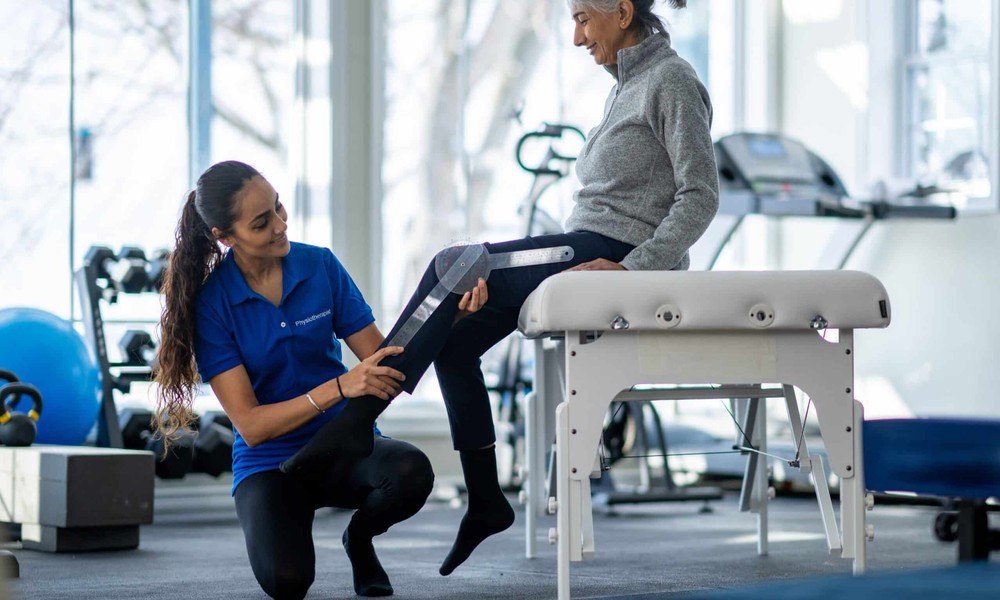
Over time, small movements that once felt normal start needing extra effort. While searching online for treatment information and mobility support, many individuals eventually notice pain management san antonio during research connected with recovery programs and long-term spine care options. Interest in treatments with shorter recovery periods has continued growing because patients often want support that fits around normal routines instead of creating long interruptions in daily life.
Specialists Often Focus on Everyday Movement First
Many modern recovery programs are designed around helping people move more comfortably during regular daily activities. Recovery plans are often adjusted around those specific difficulties. Controlled stretching, posture support, and guided exercises may help improve movement gradually without overwhelming the body during the process.
That slower approach often feels easier for patients already dealing with long periods of physical frustration.
Smaller Treatment Approaches Are Becoming More Common
Years ago, many people believed recovery from spinal discomfort automatically meant long periods away from normal activity. Treatment discussions have changed significantly over time because specialists now use several approaches focused on reducing physical strain during recovery.
Some patients explore minimally invasive procedures, while others begin with rehabilitation programs designed around flexibility and movement support. Certain treatments may involve targeted therapy methods intended to help patients return to light daily routines sooner than expected.
Patients often appreciate hearing that recovery plans can sometimes feel manageable instead of physically exhausting from the beginning.
Physical Recovery Usually Happens Step by Step
One difficult part of recovery is that progress rarely feels exactly the same every day. Some mornings feel comfortable, while other days bring soreness after regular activity. That uneven progress sometimes frustrates patients who expect quick improvement immediately after treatment begins.
During research related to movement rehabilitation and supportive treatment plans, many people also come across pain management sanantonio while reading about long term recovery options connected with spinal care.
Common Goals Patients Often Have During Recovery
- Sitting comfortably during work or travel
- Returning to regular walking routines
- Reducing stiffness during daily movement
- Improving flexibility around the back and neck
- Feeling more stable during physical activity
Many Patients Want Practical Improvement Instead of Perfection
People dealing with long term discomfort are not always searching for dramatic physical changes.
Recovery programs often focus on helping patients rebuild confidence around movement little by little. Specialists know recovery can take time when the body has been under stress for a long period.
FAQs
- Can shorter recovery treatments improve movement?
Yes, some treatments are designed to help movement feel easier without long recovery periods.
- Do specialists recommend surgery first?
No, many people first try therapy, exercises, or smaller treatment options.
- Why does movement matter during recovery?
Small movement can helpthe body to stay flexible and reduce difficulty during healing.
For many people, recovery starts feeling real when everyday tasks become easier again and movement no longer feels stressful all the time.Over time, movement starts feeling more natural again instead of something that constantly needs extra attention or caution.
