


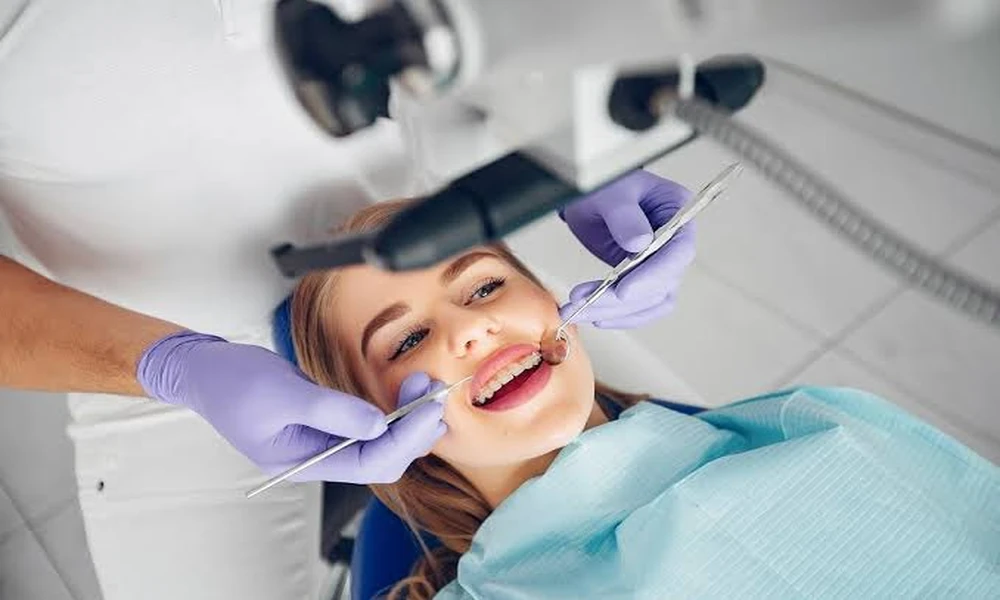
You usually do not think much about your teeth when everything feels normal. You chew without pain, smile without thinking, and get through work, school, meals, and conversations without a second thought. Then a tooth starts to ache, your gums bleed when you brush, or a small problem you ignored turns into a filling, a crown, or an emergency visit. That is when oral health stops feeling separate from the rest of life and starts affecting sleep, focus, mood, and money all at once, which is why finding quality dental care in Phoenix, AZ matters.
That is the quiet truth behind why general dentistry improves the quality of everyday life. Routine dental care protects more than teeth. It helps you eat comfortably, speak clearly, avoid avoidable pain, and catch problems early while they are still easier and less expensive to treat. A trusted general and family dentist helps keep daily life steady, which matters more than most people realize.
General and family dentist care supports comfort, confidence, and health
General dentistry covers the care most people need most of the time. Exams, cleanings, X rays, fillings, gum care, sealants, fluoride, and guidance on home habits all fall under that umbrella. A general and family dentist is often the provider who sees patterns early, before you are dealing with severe pain or a treatment plan that feels overwhelming.
Small dental issues rarely stay small when they are ignored. Plaque builds up, gums get inflamed, enamel weakens, and decay moves deeper into the tooth. You may tell yourself it is only a little sensitivity, only occasional bleeding, only bad breath in the morning. Then eating on one side becomes normal, cold drinks sting, and smiling in photos starts to feel awkward. These are not minor inconveniences when they keep showing up every day.
The CDC’s oral health overview makes the connection clear. Oral health is part of overall health, not a separate issue sitting off to the side. Your mouth affects how you eat, speak, and socialize, and untreated disease can lead to pain, infection, and tooth loss. That is why regular dental visits are not cosmetic maintenance for people with extra time. They are basic health care.
Preventive dental care lowers stress before it turns into pain and cost
Many people avoid the dentist because they are busy, anxious, or worried about cost. That reaction makes sense. If you already feel stretched thin, one more appointment can feel easy to postpone. The problem is that delay often creates the very outcome you were trying to avoid. A routine cleaning is manageable. An untreated cavity that reaches the nerve is not. Mild gum irritation is easier to handle than advanced gum disease.
Preventive dental care reduces the chance that your schedule gets hijacked by a dental emergency. It also gives you a clear picture of what is going on in your mouth right now, which is often a relief. Uncertainty tends to make people imagine the worst. A straightforward exam, a cleaning, and a plan can replace dread with something much more useful, which is clarity.
This matters for families too. When children grow up seeing dental care as normal, they are more likely to build habits that protect them for years. When adults stay current on cleanings and exams, they are less likely to lose time from work or deal with avoidable pain during ordinary parts of life like eating dinner, talking in a meeting, or trying to sleep.
Everyday oral health affects more than your teeth
The effects of poor oral health tend to spread. Pain interrupts sleep. Trouble chewing changes what you eat. Embarrassment about your breath or smile can make social situations feel harder than they need to be. If you have ever tried to concentrate with a throbbing tooth, you already know how fast a dental problem can drain your energy.
Routine dental care supports the boring parts of life in the best way possible. You can bite into food without bracing yourself. You can speak without worrying about discomfort or odor. You can go to work, school, errands, and family events without a problem in your mouth taking over the day. That kind of stability is easy to overlook until it is gone.
Research also shows how common these issues are. The CDC’s oral health facts and statistics page notes that cavities and gum disease affect many children and adults across the United States. These are common conditions, not rare exceptions. The good news is that common does not mean unavoidable.
Home care and professional general dentistry work best together
Brushing and flossing matter, but they do not replace professional care. Home habits reduce buildup and protect enamel between visits. A dentist and hygienist can remove hardened tartar, check for decay you cannot see, evaluate your gums, and spot signs that need attention before they become painful. If you want a broad overview of common dental topics, MedlinePlus dental health resources offers reliable basics on conditions, prevention, and treatment.
| Approach | What It Helps With | Limits | Likely Result Over Time |
|---|---|---|---|
| Home care only | Daily plaque control, fresher breath, support between visits | Cannot remove tartar, diagnose hidden decay, or assess gum pockets fully | Better than neglect, but problems can still grow unnoticed |
| Occasional dental visits | Addresses pain or visible issues when they appear | Often reactive, treatment may be larger and more costly | Higher chance of emergencies and disrupted routine |
| Regular general dentistry visits plus home care | Prevention, early detection, cleanings, treatment planning, long term support | Requires time and consistency | Lower risk of pain, fewer surprises, better day to day comfort |
Small steps with a dentist can improve daily life quickly
Schedule the visit you have been putting off. If it has been a while, start with an exam and cleaning. You do not need to solve every concern at once. Getting current gives you a baseline and helps you understand what needs attention now versus later.
Pay attention to the signs you have normalized. Bleeding gums, tooth sensitivity, chronic bad breath, jaw soreness, and pain when chewing are not things to simply live with. Write down what you notice before your appointment so nothing gets brushed aside.
Make your home routine easier to keep. Brush twice a day with fluoride toothpaste, floss once a day, and replace your toothbrush regularly. If your routine keeps falling apart at night, simplify it. A basic routine done consistently beats an ambitious one you cannot maintain.
Taking care of your mouth is not about perfection. It is about protecting your comfort, your health, and your ability to move through ordinary life without avoidable pain or stress. That is the real answer to why general dentistry improves the quality of everyday life. If it has been a while since your last visit, now is a good time to schedule one and get ahead of problems before they start running your day.
